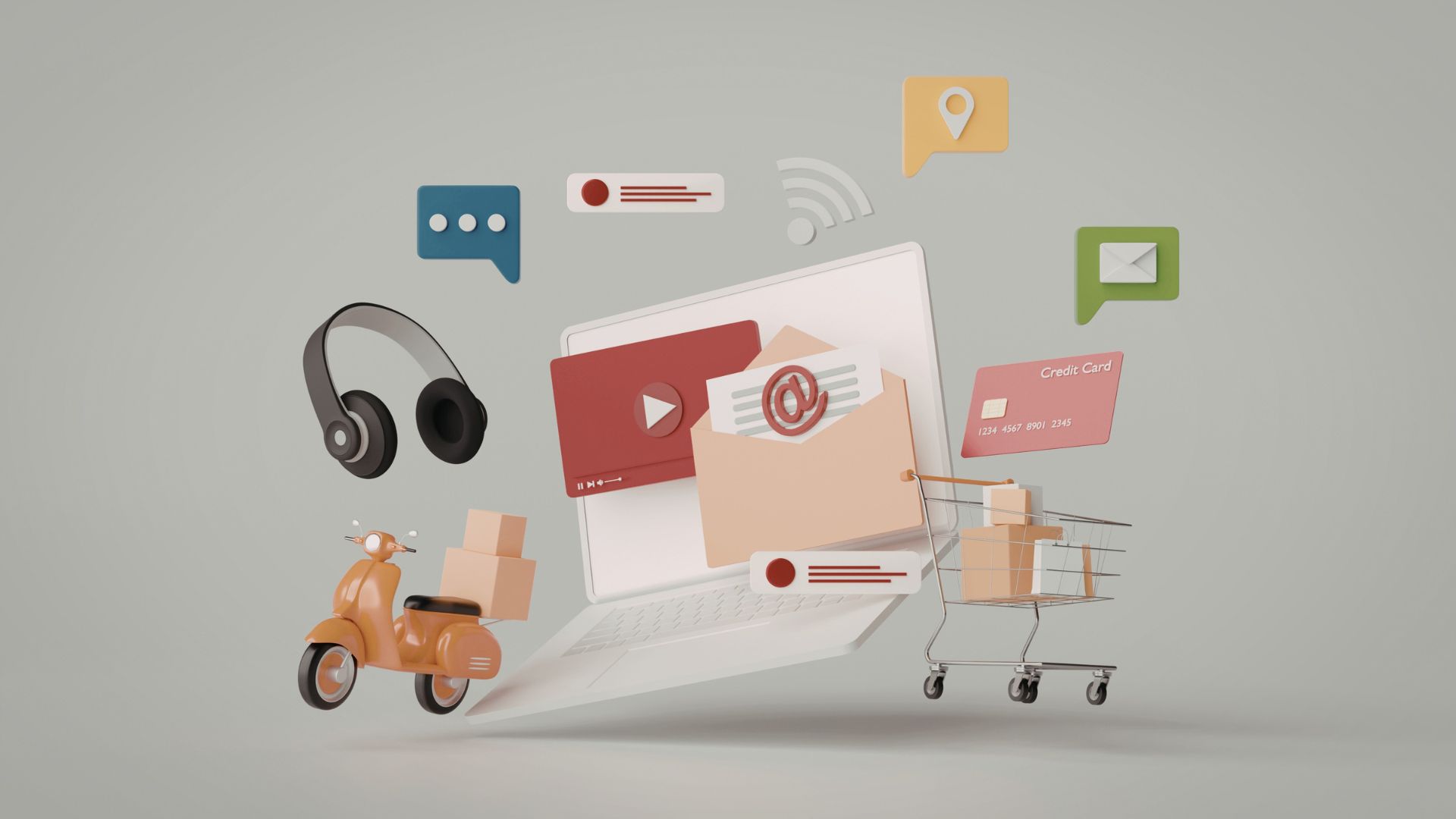
Marketing today is far more complex than it was a decade ago. Businesses now operate in a multi-channel world where customers interact with brands through social media, websites, television, outdoor advertising, email campaigns, and even word-of-mouth recommendations.
In such a dynamic environment, relying on a single marketing channel is no longer enough to reach modern audiences effectively. Instead, businesses must adopt an integrated marketing approach—one that combines digital platforms with traditional advertising methods to deliver consistent messaging across multiple touchpoints.
Integrated marketing ensures that every communication channel works together as part of a unified strategy. When executed correctly, it strengthens brand recognition, increases audience engagement, and drives measurable business growth.
For companies looking to expand their presence in competitive markets, integrated marketing is not just beneficial—it is essential.
Understanding Integrated Marketing
Integrated marketing refers to the strategic coordination of multiple marketing channels to deliver a consistent message to consumers.
Instead of treating digital marketing, advertising, public relations, and content creation as separate activities, integrated marketing brings them together under one unified strategy.
This approach ensures that every campaign element supports the same brand message and marketing objectives.
For example, a company launching a new product might use:
Social media campaigns
Email marketing
Influencer partnerships
Television or radio advertisements
Outdoor billboard advertising
Website landing pages
Each of these channels reinforces the same message and directs audiences toward a common goal, such as purchasing a product or learning more about the brand.
The Benefits of Integrated Marketing
Consistent Brand Messaging
One of the greatest advantages of integrated marketing is consistency.
Customers interact with brands through multiple platforms. If the messaging is inconsistent across these platforms, it can confuse audiences and weaken the brand’s identity.
Integrated marketing ensures that the same tone, message, and visual identity are maintained across all communication channels.
This consistency helps build stronger brand recognition and trust.
Increased Audience Reach
Different audiences prefer different communication channels.
Some consumers spend most of their time on social media, while others engage with radio broadcasts, television programs, or outdoor advertising.
By combining digital and traditional marketing channels, businesses can reach a broader audience and ensure that their message is seen by more potential customers.
Improved Customer Engagement
Integrated campaigns create multiple touchpoints where consumers can interact with a brand.
For example, a potential customer might:
See a billboard advertisement
Later encounter a social media campaign
Visit the company website
Subscribe to an email newsletter
Finally make a purchase
Each interaction reinforces the brand message and increases the likelihood of conversion.
Stronger Marketing Impact
When multiple marketing channels work together, their combined impact becomes much stronger than individual campaigns operating in isolation.
This synergy amplifies brand visibility and increases campaign effectiveness.
Integrated marketing campaigns often produce better results because they guide customers through the entire marketing funnel—from awareness to conversion.
The Role of Digital Marketing in Integrated Campaigns
Digital marketing plays a central role in modern integrated marketing strategies.
Online platforms allow businesses to reach targeted audiences, measure campaign performance, and adjust strategies in real time.
Key digital marketing tools include:
Social media advertising
Search engine optimization (SEO)
Pay-per-click (PPC) advertising
Email marketing
Content marketing
Video marketing
Digital platforms also provide valuable data insights that help marketers understand customer behavior and improve future campaigns.
The Continued Relevance of Traditional Advertising
Despite the growth of digital platforms, traditional advertising still plays an important role in marketing.
Television, radio, print media, and outdoor advertising remain powerful channels for reaching large audiences.
Billboards, for example, are highly effective for building brand awareness in high-traffic areas. Radio advertising can reach listeners during daily commutes, while print advertisements can target specific publications and readerships.
When combined with digital campaigns, traditional advertising strengthens the overall reach and credibility of marketing efforts.
Creating a Successful Integrated Marketing Strategy
Developing an effective integrated marketing campaign requires careful planning and strategic execution.
Businesses should begin by defining clear marketing objectives, such as increasing brand awareness, generating leads, or boosting sales.
Next, marketers must identify their target audience and determine which communication channels are most likely to reach them.
Once the channels are selected, all campaign elements should be designed to deliver a unified message.
Consistency in branding, tone, and visuals is essential for maintaining a cohesive campaign identity.
Finally, businesses should monitor campaign performance and analyze key metrics to evaluate effectiveness and refine future strategies.
The Importance of Professional Marketing Expertise
Integrated marketing campaigns often require expertise in multiple areas, including advertising strategy, content creation, media planning, and data analytics.
For many businesses, partnering with a professional marketing can provide the expertise and resources needed to execute successful campaigns.
Marketing agencies bring together creative professionals, strategists, and digital specialists who work collaboratively to design campaigns that deliver measurable results.
This collaborative approach allows businesses to focus on their core operations while experienced marketing professionals handle the complexities of modern advertising.
Conclusion
In today’s fast-paced business environment, marketing success depends on the ability to communicate effectively across multiple channels. Integrated marketing provides a strategic framework for combining digital and traditional advertising methods into one cohesive campaign.
By delivering consistent messaging, expanding audience reach, and creating multiple engagement opportunities, integrated marketing helps businesses strengthen their brand presence and achieve sustainable growth.
Organizations that adopt integrated marketing strategies will be better positioned to compete in an increasingly connected world where customers expect seamless experiences across every platform.


Leave A Comment